About Us
About Dana
Dana Twigg is a Licensed Massage Therapist with more than two decades of experience supporting clients in relieving tension, restoring balance, and reconnecting with their bodies. She works with people who live with intensity, effort, and engagement—those who give of themselves fully in work, movement, and life. Her approach to bodywork is grounded in careful listening through the hands, attention to breath and tissue response, and a deep respect for the body’s natural capacity to reorganize and heal. Over the years, Dana has developed a style of work that blends therapeutic bodywork, nervous system awareness, and intuitive felt sense. Rather than applying a fixed routine, each session unfolds responsively—guided by what the body reveals and supports in the moment.
Sessions often incorporate breath awareness, inviting the body into a more settled and regulated state.
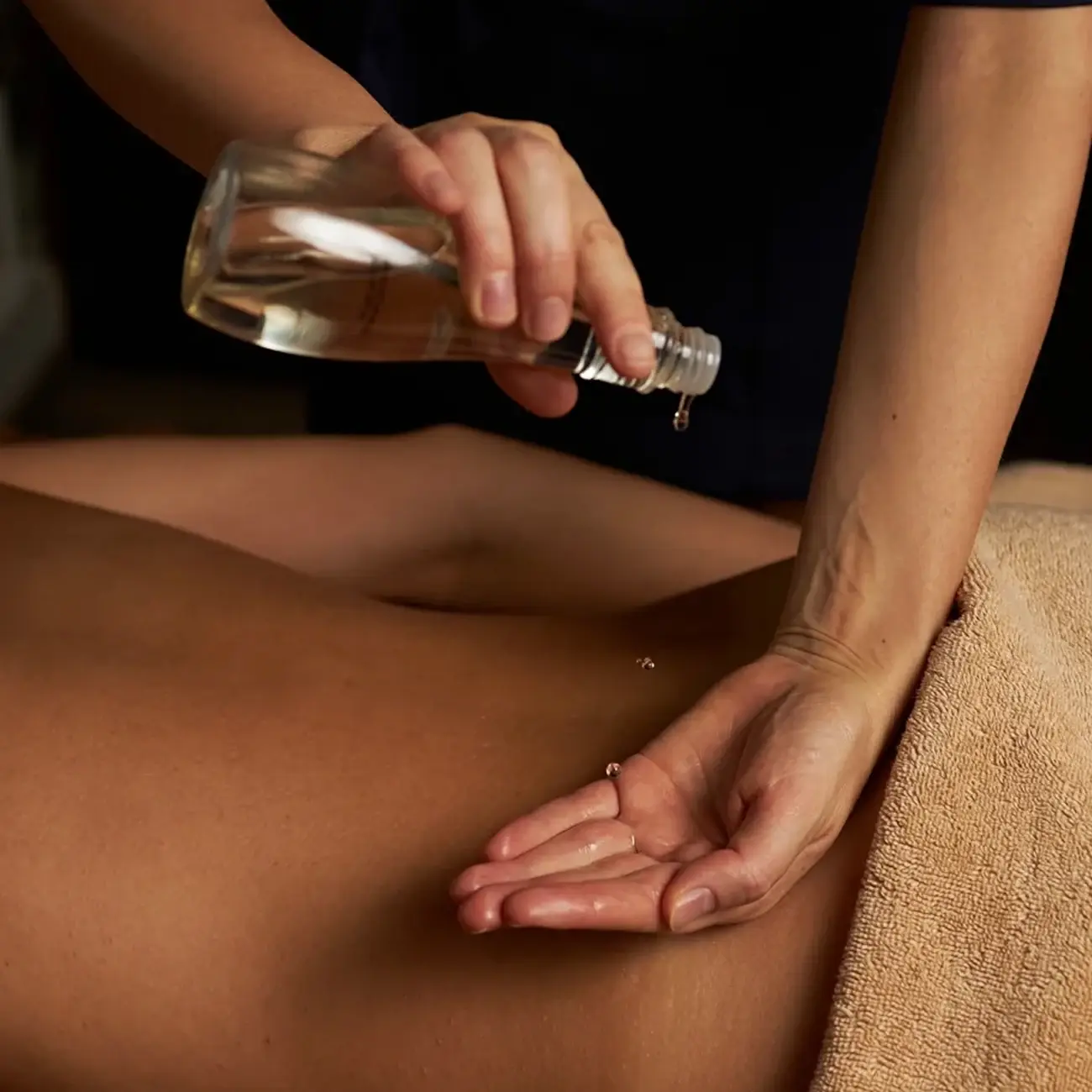
Clients may be gently guided to notice the natural rhythm of their breath, allowing areas of tension to soften without force. Aromatherapy is included in each session, using high-quality, therapeutic-grade essential oils selected to support relaxation, grounding, or gentle uplift, depending on the needs of the
moment. Her background includes more than twenty years of hands-on practice, with additional study in craniosacral therapy, polarity work, and energy-based modalities. She has worked in both clinical and high-performance environments, including time supporting athletes in professional and collegiate
settings, as well as individuals working in demanding and creative fields. These experiences have contributed to a refined sensitivity to the body’s patterns and an approach that is both skilled and responsive. Her work is grounded in the understanding that when the body is listened to carefully, it
often knows the way back to balance—and how to return there.
Intuition & Felt Sense
My work is guided by a combination of intuition and felt sense. Over many years of practice, my hands
and attention have developed a sensitivity to subtle changes in tissue tone, breath rhythm, and areas
where the body may be holding tension. Felt sense refers to the body’s direct experience—the quiet
signals that arise through touch, movement, and breath. Intuition means responding to those signals in
the moment rather than applying a rigid sequence of techniques. Together, intuition and felt sense
allow each session to unfold in a responsive and individualized way, supporting the body’s natural
capacity for balance, release, and well-being.
What to Expect
Sessions are not pre-set or routine-based. Each session is guided through attentive listening, tissue response, and the body’s natural rhythms. Sessions may incorporate:
• therapeutic massage
• Spinal Flow integration
• nervous system support
• breath awareness
• intuitive somatic listening At times, you may be gently guided to notice your breath. Rather than controlling or forcing it, the invitation is simply to become aware—to allow the body to breathe naturally, without effort. You might notice the natural rise and fall of the breath, or the quiet pause between inhale and exhale. As attention settles into the breath, the body often begins to soften on its own. This awareness can support the release of tension
and help the nervous system shift into a more settled and receptive state. There is nothing you need to do “correctly.” The breath is simply something you can return to—again and again—as a way of allowing the body to unwind. The breath often finds its own rhythm when given space. Your role is simply to allow it.
Therapeutic Bodywork Sessions
Clients book time, and each session unfolds responsively—guided by discernment, attunement, and
the body’s needs in the moment. 60 minutes — $110 75 minutes — $135 (most popular) 90 minutes —
$165 105 minutes — $190
Voice as Vibrational Touch
During some sessions, gentle vocal tones or breath sounds may arise as I respond to what I feel in the body. These sounds are not scripted techniques, but a natural extension of somatic listening—much like the hands responding to changes in tissue, breath, or areas of tension. Because sound is vibration, the voice can act as another form of touch. Soft tones may support relaxation and deeper breathing, while at times a brief, breath-driven sound—similar to the kiai used in martial arts—can help interrupt a
tension pattern and allow the body to reorganize. This response is not planned or performed. It emerges naturally in moments when the body is already moving toward release or integration. My work
remains grounded in therapeutic bodywork and overall well-being.
After Your Session
To support integration: • Hydrate well • Take a quiet walk • Journal or reflect • Eat something nourishing
• Allow time for rest
Spinal Flow Care
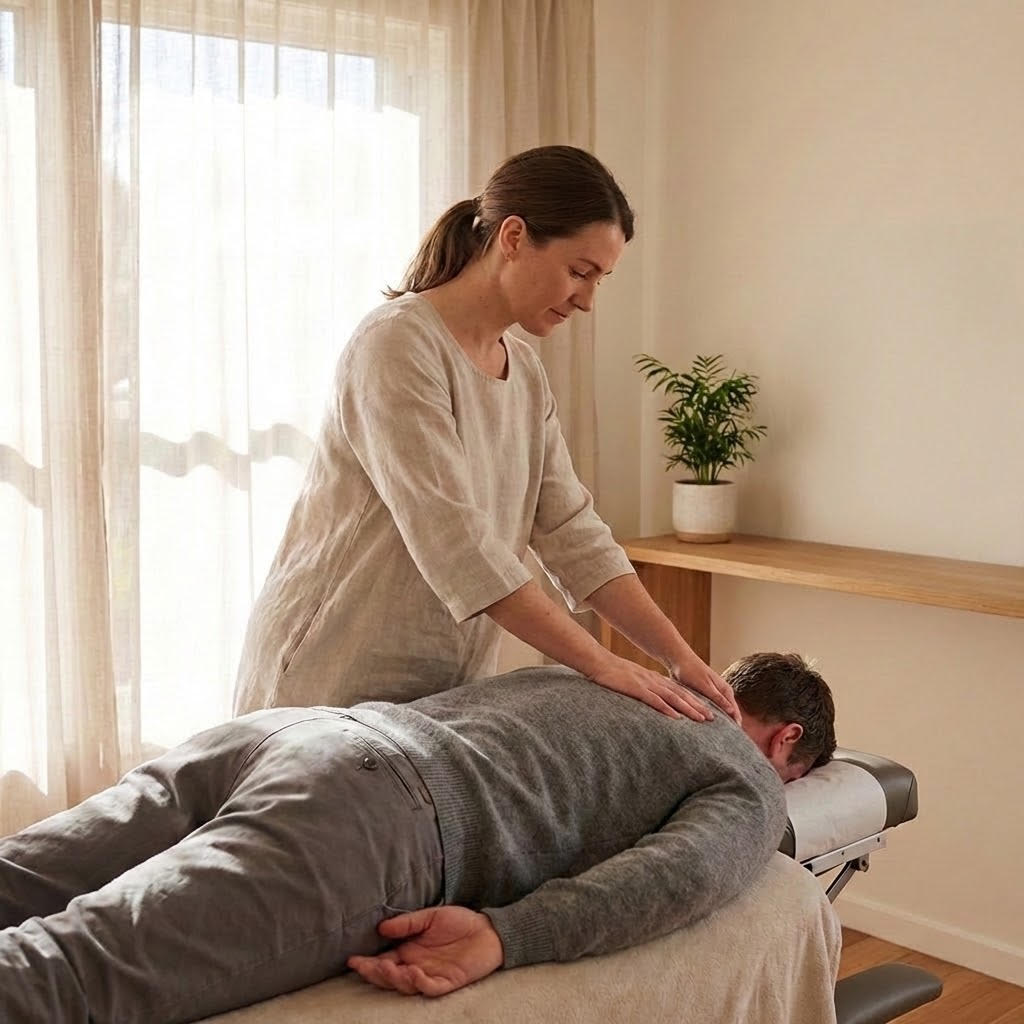
Spinal Flow is a gentle, non-invasive approach that works with points along the spine to support thebody’s natural ability to release stress and restore balance. Through light contact and careful attentionto the nervous system, the body is invited into a state where patterns of tension can begin to unwind. As the nervous system becomes more supported, shifts may be felt in breath, movement, and overall ease. Rather than forcing change, this work allows the body to reorganize at its own pace—often
creating a sense of safety, steadiness, and internal alignment. Sessions are fully clothed and typically shorter than massage appointments.
What May Be Included
• Therapeutic massage • Spinal Flow integration • Breath and nervous system support • Warmed stone
placements • Aromatherapy (therapeutic-grade oils) • Red Light Therapy • Reiki • Raindrop-style
applications